
Skip to content

Custom WordPress Plugins Built for Your Workflow

From business logic and automation to third-party service integrations and internal tooling - we build plugins that solve real operational challenges

WordPress logo

WordPress Plugin Development

Custom plugin engineering lies at the core of advanced WordPress projects. Functionality is built from the ground up - clean, modular, and fully aligned with the WordPress ecosystem. Every plugin serves a real business need and integrates seamlessly with themes, APIs, and third-party services

Custom Business Logic

Plugins designed to automate internal processes, extend admin workflows, or connect WordPress with external platforms

API and SaaS Integration

Secure two-way communication with CRMs, AI services, and SaaS platforms through REST, GraphQL, or custom endpoints

Performance and Security Layering

Lightweight architecture that loads only when needed, minimizes queries, and resists common exploit patterns

Multisite and Enterprise Features

Stable deployment across complex networks with version control, configuration sync, and user-role isolation

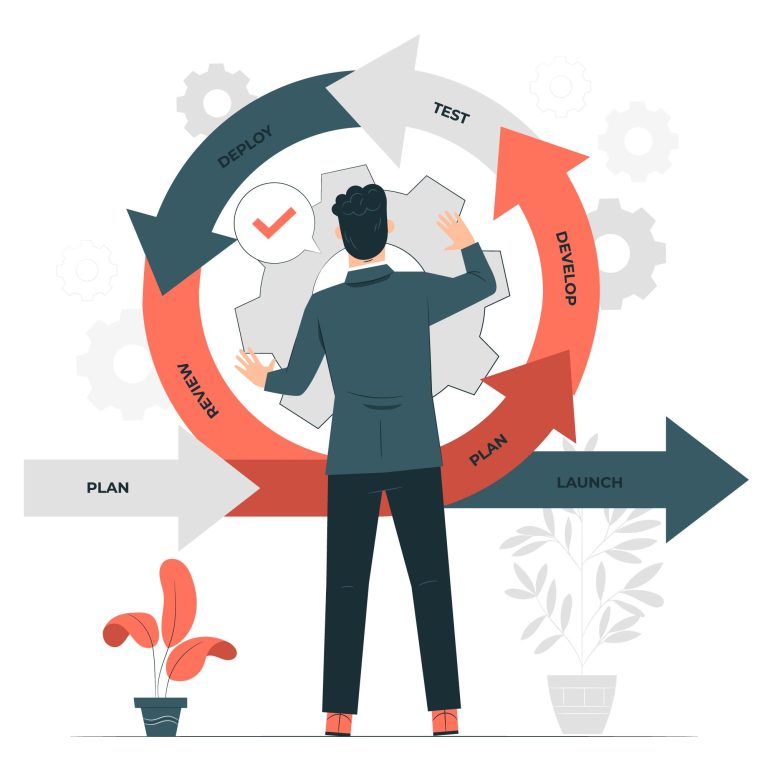
How Plugin Development Works

A structured engineering process built to ensure stable releases, predictable timelines, and long-term maintainability

  1. Discovery & Technical Planning

    Understanding business logic, data flow, and WordPress environment to define functionality, dependencies, and architecture before writing a single line of code

  2. Architecture & Design

    Defining plugin structure, database schema, hooks, and API endpoints. Creating UX patterns for admin panels or Gutenberg blocks that fit seamlessly into WordPress UI

  3. Development & Validation

    Implementation in clean, modular PHP – following WP coding standards. Each component passes isolated functional tests and security validation before integration

  4. Deployment & Lifecycle Support

    Packaging, versioning, and controlled rollout. Continuous monitoring, performance tuning, and compatibility updates with future WordPress releases
What Is Included

The scope is agreed in writing before the start.

Scope

  • Plugin architecture
  • Admin interface
  • REST API endpoints
  • WooCommerce integrations
  • License and update flow
  • Tests and documentation

What You Get

  • Private or WordPress.org distribution
  • Clean uninstall path
  • Translation-ready strings
  • Code that survives core updates
  • Developer documentation
  • Support plan after release

How the Work Runs

Four stages, each with a written result.

  1. Specification

    We review the current state and agree on the result.

  2. Prototype

    We choose the stack and describe the architecture.

  3. Build and test

    You see progress in iterations, not at the end.

  4. Release and handover

    We hand over code, documentation, and warranty.
How the Work Runs

Timeline and Budget

Typical timeline: 4 to 10 weeks for a production plugin. Pricing starts at 35 USD per hour or a fixed quote.

See pricing and engagement models

Let’s Work Together

Tell us about your project, challenges, or goals - and we’ll help define the best technical direction

No sales pressure. No generic proposals. Just straightforward technical insight and clear next steps

Get in Touch
Let’s Work Together

Questions & Answers

Direct explanations of how we work, what to expect, and how we ensure reliable long-term results

What types of plugins do you build?
Everything from simple utility add-ons to full-scale systems – integrations with CRMs, payment gateways, automation tools, and AI-driven features. Each plugin is tailored to a real use case.
Can you extend or fix existing plugins?
Yes. We audit third-party or custom plugins, refactor the code, and add new functionality without breaking compatibility or performance
Do you submit plugins to the WordPress directory?
If the plugin meets public-release standards, yes. Otherwise, we deliver private or premium versions with custom update systems and licensing
How do you ensure plugin performance?
By following WordPress coding standards, using conditional loading, and minimizing queries. Plugins are tested for conflicts, memory usage, and load time impact
Can plugins integrate with external services?
Absolutely. We build secure REST or GraphQL connections for APIs, SaaS platforms, and internal systems – all with authentication, caching, and error handling in place