
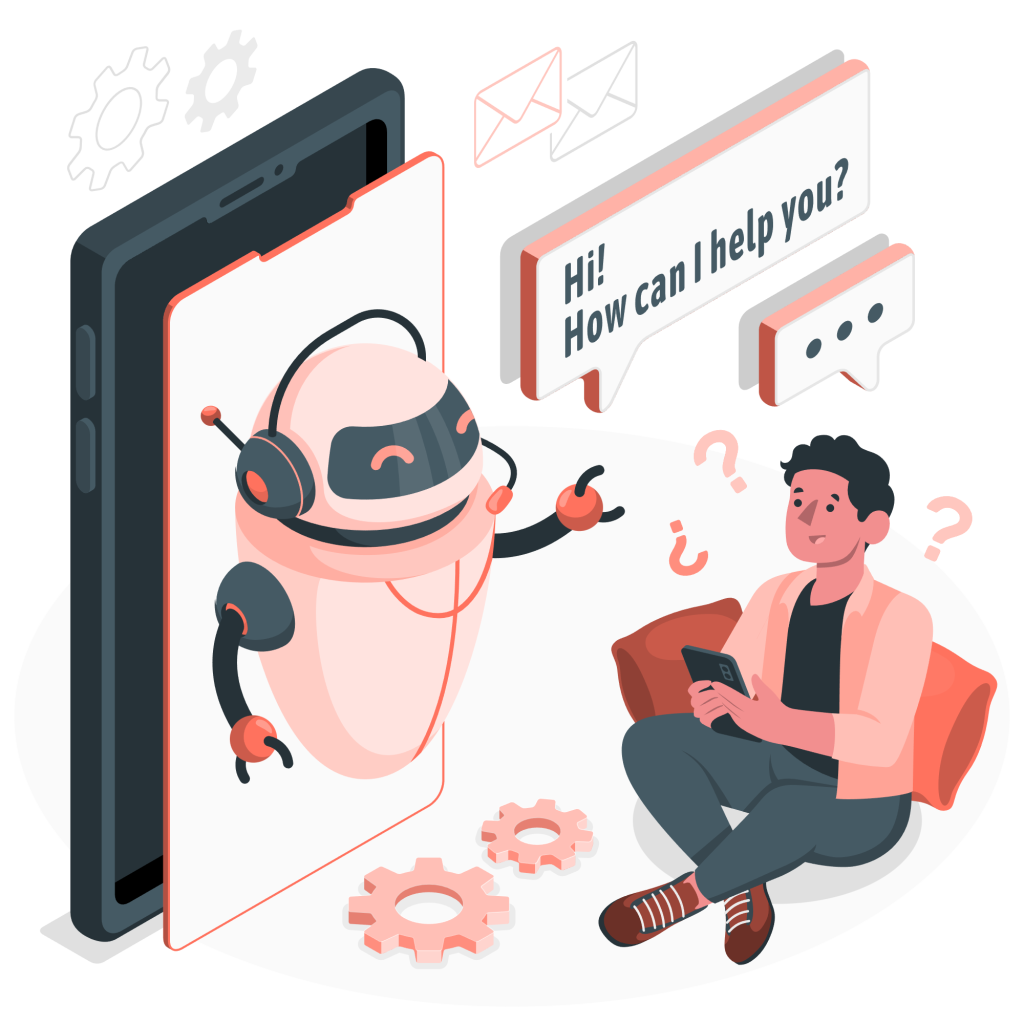
What RAG Solves
RAG systems connect language models to your real organizational data - turning documents, internal knowledge, and operational records into searchable, referenceable, and context-aware intelligence. No hallucinations, no generic responses - only information grounded in your domain. Real Use Cases:
-
Internal Knowledge Assistants
Employees get answers to operational questions directly from your internal documentation, policies, and workflows
-
Technical & Product Support Bots
Support teams receive accurate troubleshooting steps and system references without searching multiple sources manually
-
Search with Real Understanding
Users search concepts and meaning, not just keywords – locating the right section, version, or policy instantly
-
Decision Support Systems
Key insights, data points, trends, and constraints are surfaced instantly to assist strategic decisions
-
Content & Documentation Automation
Long documents are summarized, rewritten, structured, and updated automatically – without losing meaning or correctness
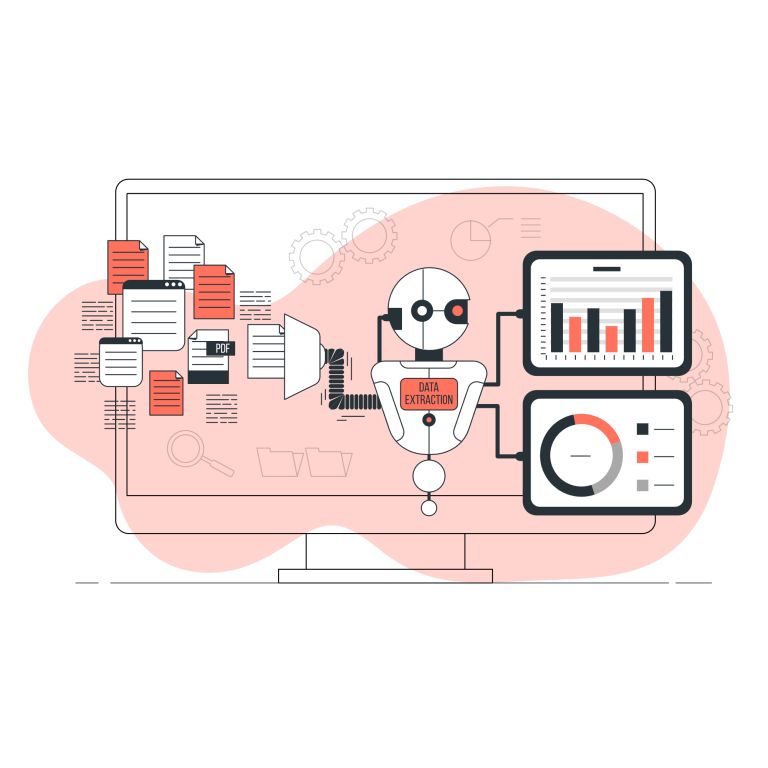
What Is Included
The scope is agreed in writing before the start.
Scope
- Document ingestion
- Vector store setup
- Retrieval tuning
- Prompt and guardrails
- Interface integration
- Evaluation set
What You Get
- Answers with source links
- Private deployment
- Latency budget
- Fallback when confidence is low
- Evaluation set for regressions
- Operations documentation
How the Work Runs
Four stages, each with a written result.
-
Data audit
We review the current state and agree on the result.
-
Prototype
We choose the stack and describe the architecture.
-
Evaluation
You see progress in iterations, not at the end.
-
Production
We hand over code, documentation, and warranty.
Timeline and Budget
Typical timeline: 4 to 10 weeks. A working assistant starts around 4,000 USD.
Where RAG Fits
RAG components integrate directly into existing infrastructure - web platforms, internal portals, SaaS products, CRMs, and business dashboards
-
Admin dashboards
-
Employee portals
-
Client-facing support widgets
-
API endpoints for mobile or SaaS platforms
-
Internal knowledge bases and intranets
RAG transforms organizational knowledge into an active operational asset - improving response time, reducing dependency on key individuals, and increasing consistency across decisions and communication
Questions & Answers
Direct explanations of how we work, what to expect, and how we ensure reliable long-term results